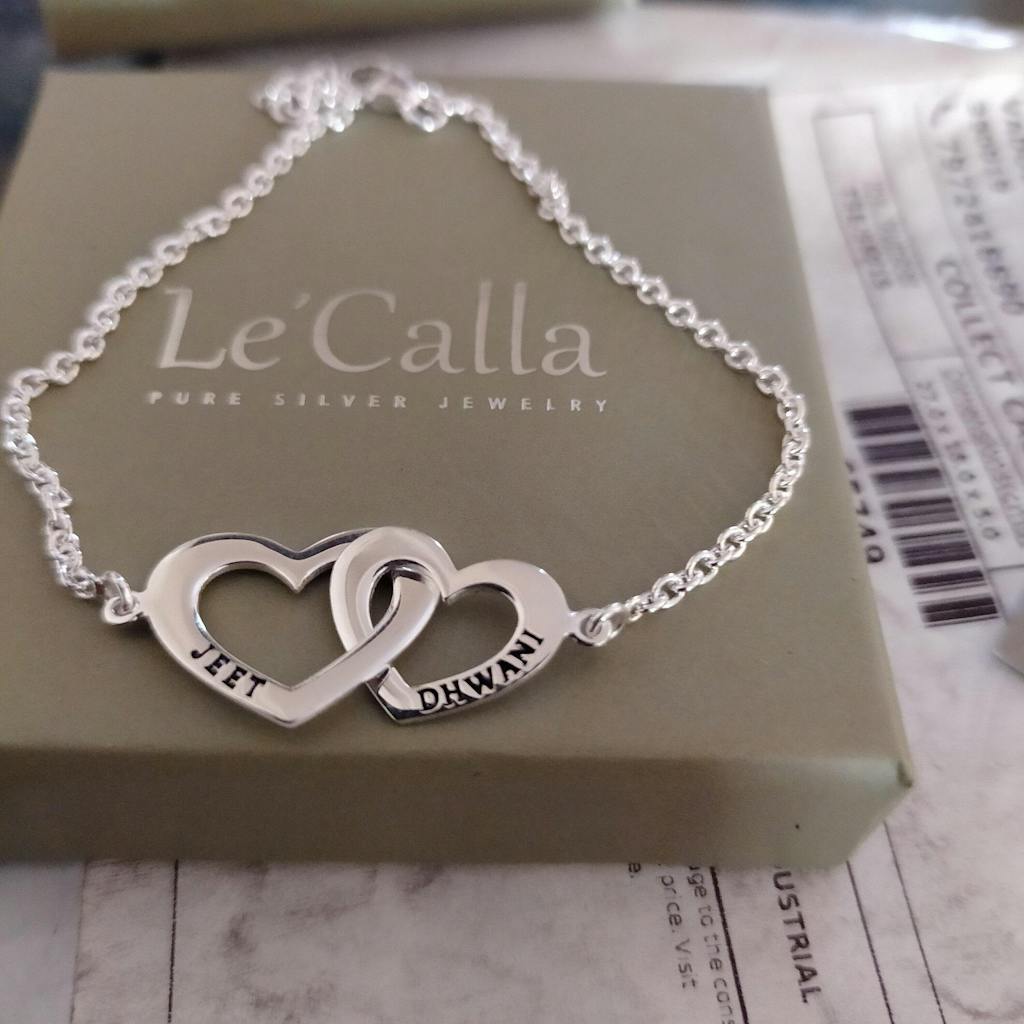
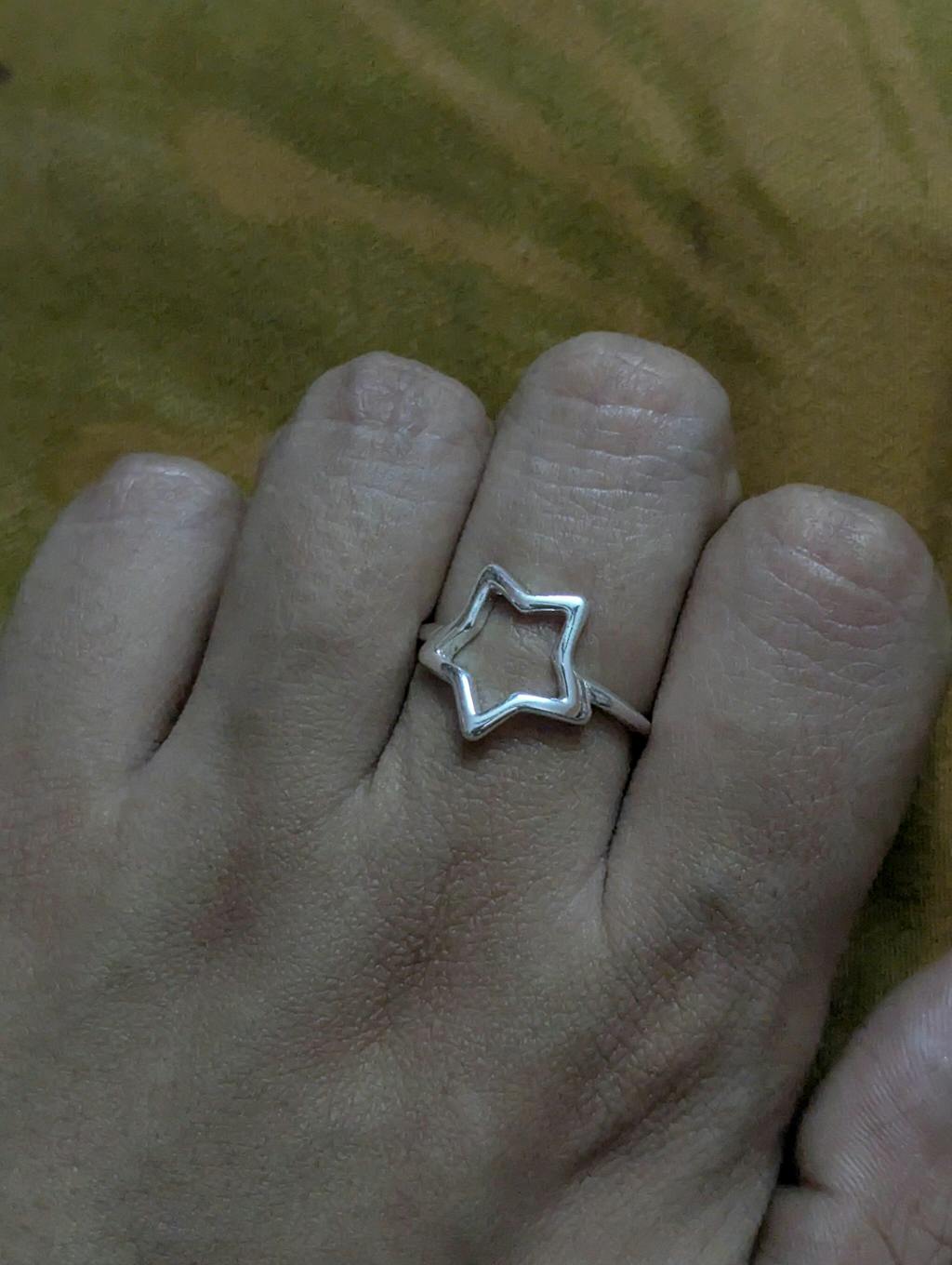
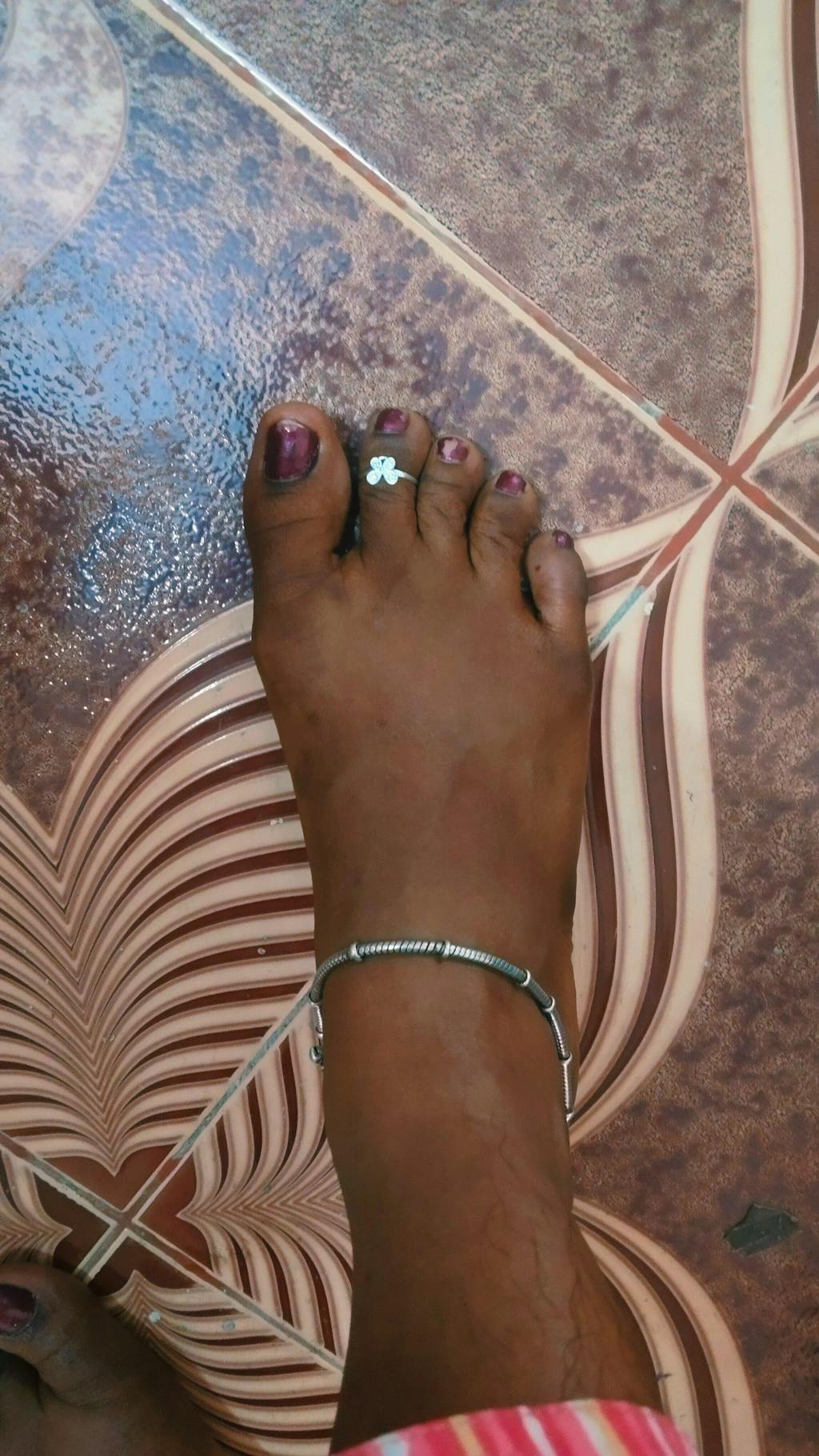
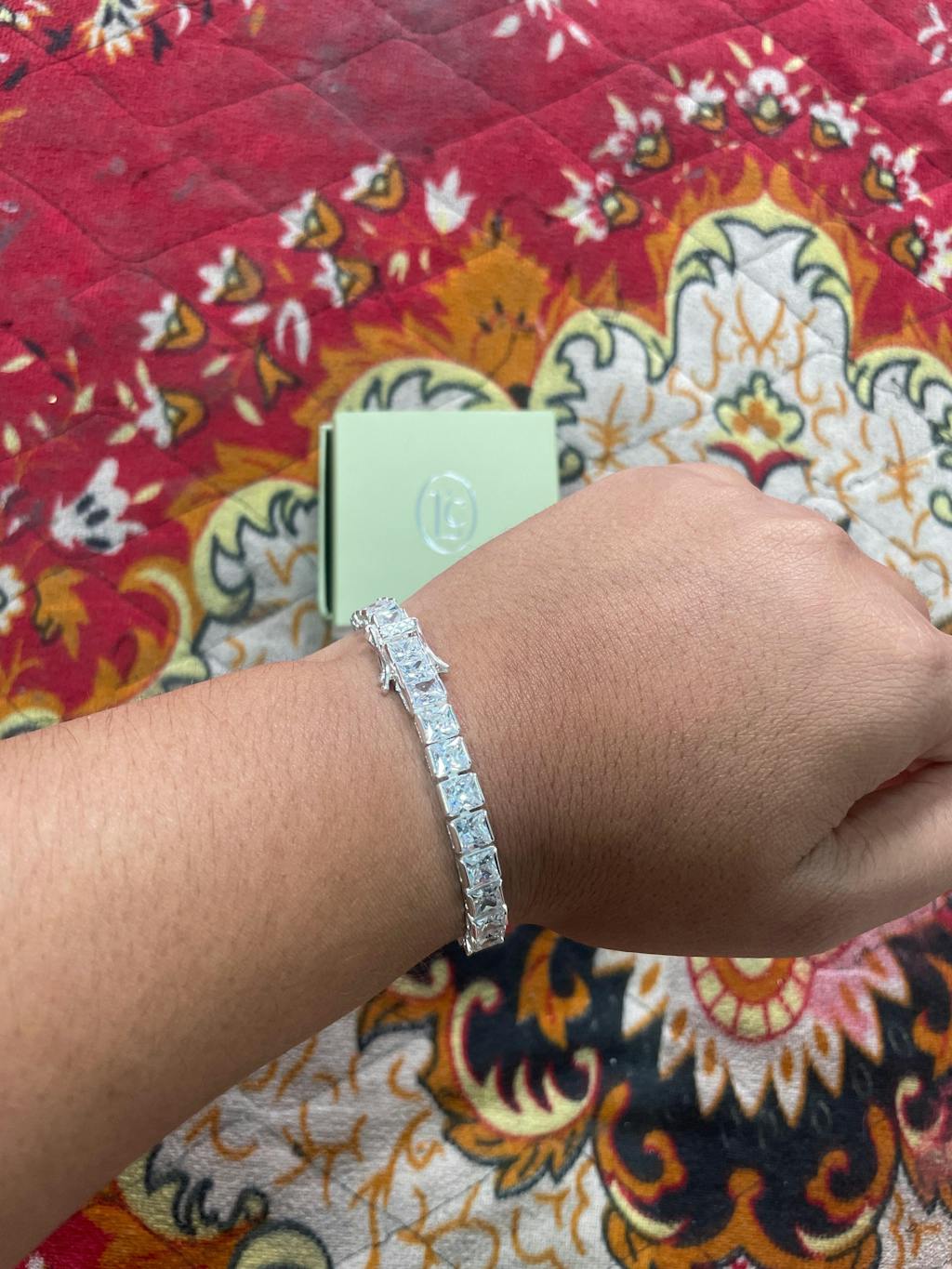
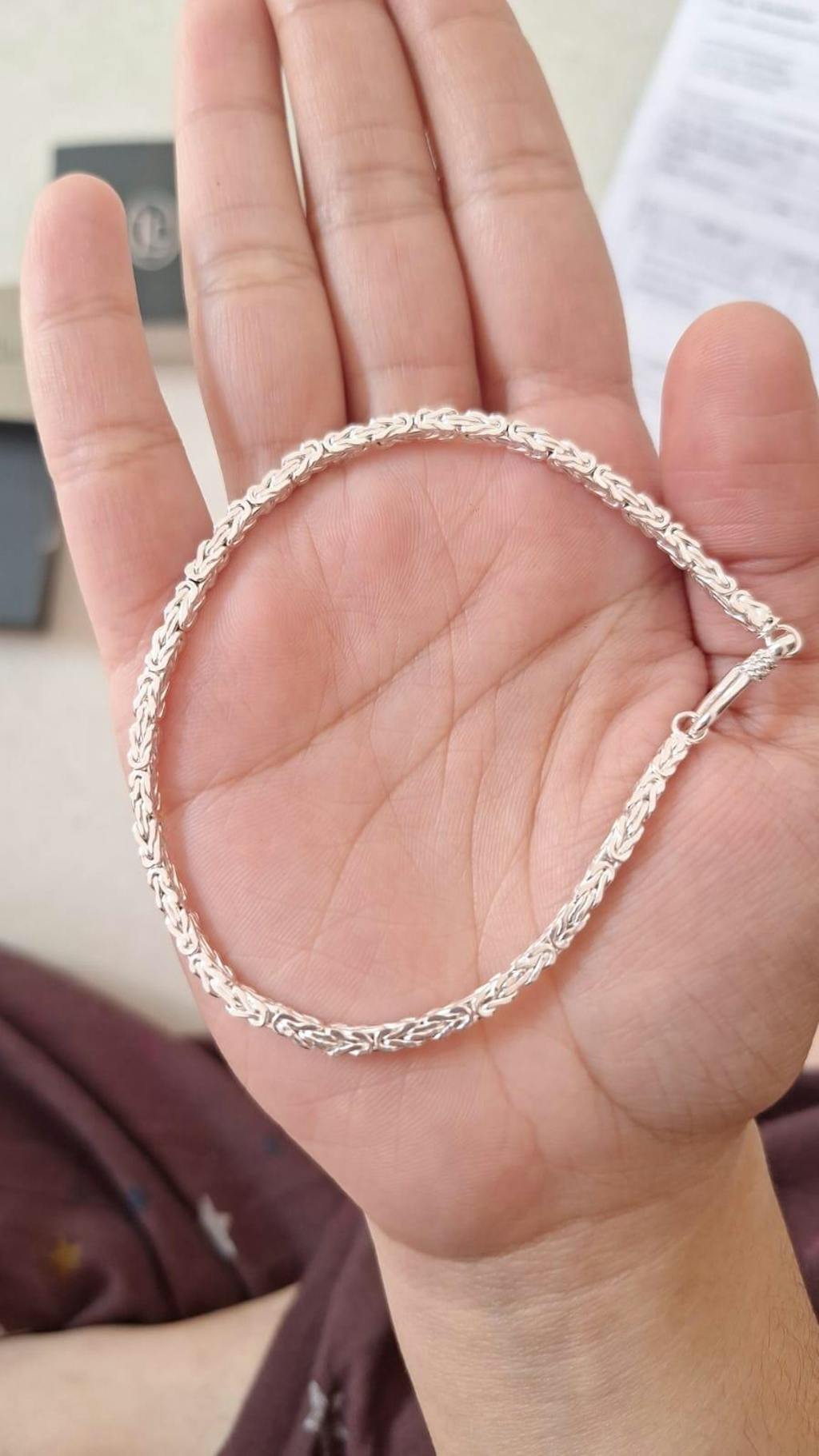
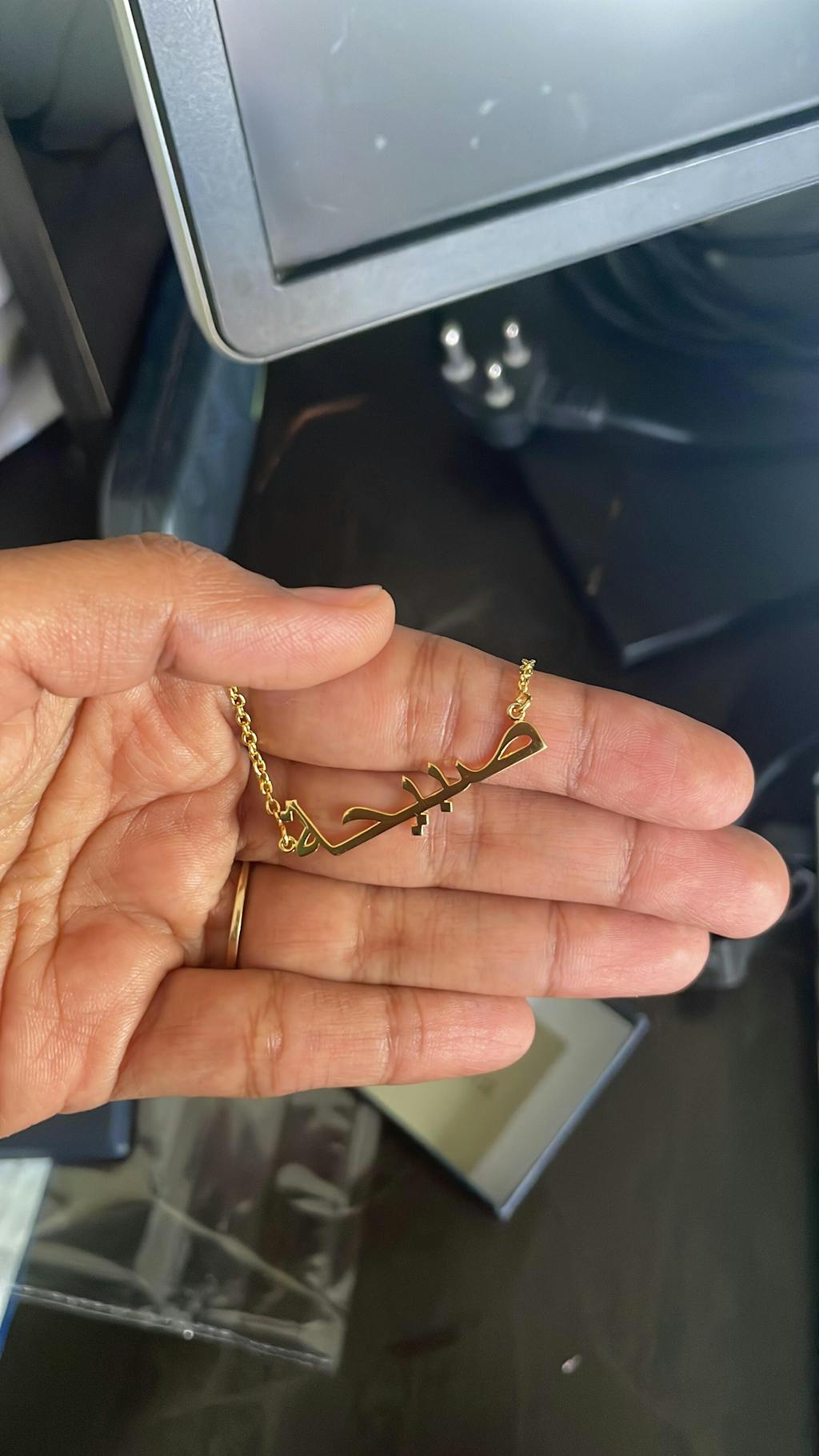
Silver has been prized for ages, not just because it shines, but because it’s actually pretty useful too. The purity can differ depending on how much real silver is in there compared to other metals. This purity of silver is usually measured in terms of fineness, and sterling silver is the one you hear about most. Sterling silver is basically 92.5% silver, and the rest 7.5% is usually copper or something similar.
Silver isn’t all the same; some pieces are nearly pure, like 99.9% fine silver, while others have more mixed-in metals. It’s worth knowing the difference when buying jewellery so you don’t end up with something lower quality than you expected. This guide will explain a few practical ways to check silver purity and ensure what you’re buying is the real deal.
Why Should You Check Silver Purity?
It is important to check the purity of silver to ensure that the silver is real and pure as required. This information is vital in decision-making when buying, selling, or preserving silver. The following are the reasons why the purity of silver is important.
1. Avoid Low-Quality Silver - Silver jewellery may not always be what it claims to be. For example, fake or low-grade silver may be sold to unsuspecting buyers. An inspection of the silver will help you avoid purchasing low-grade silver products.
2. Ensure you’re paying a Fair Price - The purity of silver can help ensure that you’re paying a fair price. The value of silver is based on its purity, and hence, it becomes important to ensure that you’re investing in the right quality of silver.
3. Protect Your Investment - The purity of silver can help ensure that your investment in silver remains preserved over time.
Simple Ways to Check the Purity of Silver Jewellery
If you’re wondering how to check if silver is pure, there are several simple methods you can try.
1. Hallmark Inspection - The easiest method to determine the purity of silver is through a hallmark inspection. Some silver jewellery always has a hallmark, which indicates its purity level, e.g., 925 for sterling silver or 999 for fine silver.
2. Weight Comparison - Silver also has a different weight compared to other precious materials. Comparing the weights of your silver product and a genuine one may give an idea of the quality of your silver. Real silver is heavier compared to other materials.
3. Visual Analysis - Even though this method is not very reliable, checking your silver product for any signs of tarnish may give an idea of the quality of your silver. Any signs of tarnish may indicate low-grade silver or a combination of materials.
4. Tarnish Test - Silver is known to tarnish over time due to exposure to air. The tarnishing of silver also depends on the quality of the silver. High-grade silver tarnishes less over time compared to low-grade silver. The tarnish may give an idea of the quality of the silver.
How to Test Silver at Home: Reliable Ways to Check Purity
You don’t always need a jeweller to know if your silver is genuine. Here are a few simple ways you can check silver at home using common methods and a little observation.
1. Magnet Test - One of the easiest tests you can do at home is using a magnet. Silver is not magnetic in nature. So, if your silver is getting attracted to a magnet, then it likely contains some other metals with your silver.
2. Ice Cube Test - It is a well-known fact that silver has high thermal conductivity. So, by placing an ice cube on your silver jewellery, and if it melts quickly, it means it's of high purity. If it takes longer to melt, it may have a lower purity level.
3. Sound Test - Another way of testing the purity of silver is by tapping your silver jewellery against a surface. It makes a ringing sound when tapped against a surface. On the contrary, low purity makes a dull sound.
4. Acid Test - This is a more advanced test compared to the above tests. By applying a little nitric acid to your silver jewellery, you can easily check the purity level of your silver. If it turns green, it indicates that the piece is not pure silver.
5. Density Test - To check the purity level of your silver by density, you must first check the weight and volume of your silver by immersing the silver in water. The density of pure silver is 10.49 g/cm³. By comparing the density with the density of pure silver, you can easily verify the purity level of your silver.
Silver Purity Check: Key Takeaways for Verifying Quality
Verifying the purity of silver can help you buy quality products and properly invest in silver. When you are buying silver jewellery, you must know how to check its purity to avoid buying counterfeit products, pay a fair price, and keep your investment safe over time. You can do simple tests at home to get accurate results. Buying 925 sterling silver jewellery from reliable sources with certification and hallmark is another option to buy quality silver.
At TrueSilver, we take pride in presenting to you a variety of 925 silver jewellery that meets every individual's style. With our certified 925 sterling silver jewellery, we ensure that you make a long-term investment. Explore our silver jewellery collection today to get your hands on the most trusted silver jewellery.